Wasatch foothills, family neighborhoods, and canyon-bound routes
Local SEO in Sandy for Home Service Contractors
Turn Sandy’s mountain-edge service patterns into a precise local search system. The page should read like a field map. It must connect weather, building form, neighborhood access, urgency, and proof while resisting the temptation to claim a presence the contractor has not earned.
- $299/month
- No setup fee
- No contract
- USA-only
- 8+ years’ experience
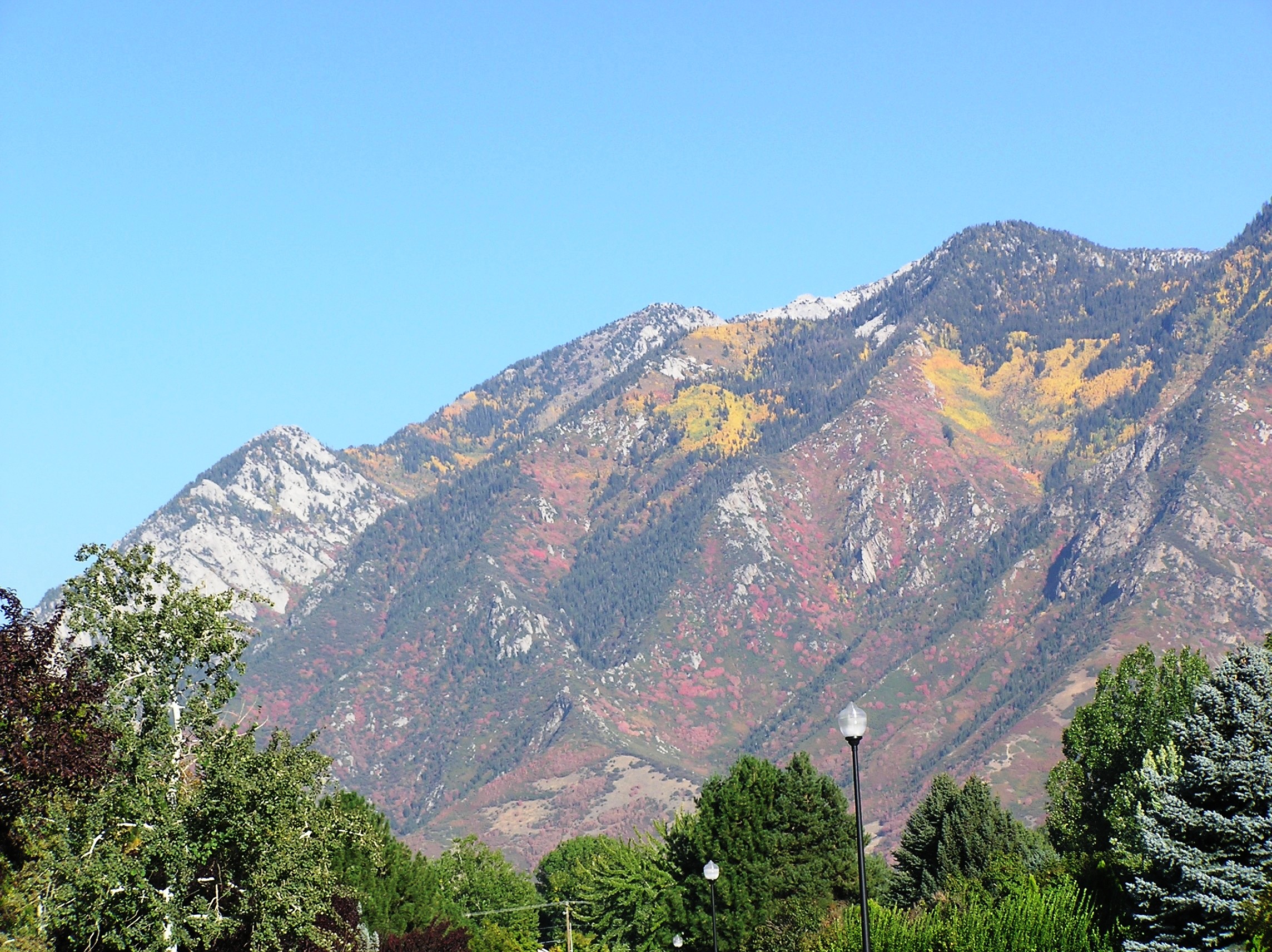
A Wasatch Front city where slope, snow, and suburbia meet
The page should read like a field map. It must connect weather, building form, neighborhood access, urgency, and proof while resisting the temptation to claim a presence the contractor has not earned.
Read population as scale, not a sales forecast
The project brief places Sandy, UT, at a population of 87,461. Population helps describe municipal scale, but it cannot forecast search volume, lead quality, job value, crew utilization, close rate, or revenue. A decision-ready plan combines verified coverage with property type, service urgency, season, ownership, traffic, and the jobs the contractor can complete profitably.
Sandy stretches from established valley-floor neighborhoods toward foothill communities below the Wasatch Mountains. The housing mix includes postwar houses, large planned subdivisions, townhomes, apartments, hillside properties, and commercial corridors. Snow, freeze-thaw cycles, summer heat, canyon wind, irrigation, and elevation changes affect roofs, plumbing, HVAC, drainage, trees, access, and solar decisions.
Sandy is tied to the Salt Lake County economy through professional services, healthcare, retail, recreation, construction, education, and commuter employment. The South Towne area adds offices, hotels, venues, and retail while residential districts create steady repair and replacement demand. The search plan should separate household urgency from facility, association, and commercial procurement.
Turn local geography into operational clarity
Daily movement depends on Interstate 15, State Street, 700 East, 1300 East, 9400 South, 10600 South, 11400 South, and Little Cottonwood Road. Mention those corridors when they explain dispatch, congestion, access, or an honest outer limit. Do not use them as a keyword list or as a promise that every nearby address can receive the same response time.
Recognizable orientation points include America First Field, the Shops at South Town, Mountain America Expo Center, Dimple Dell Regional Park, Bell Canyon, Alta View Hospital, and the mouth of Little Cottonwood Canyon. Higher education in the area includes Salt Lake Community College’s Miller Campus in Sandy. Those names help a reader understand the market and help an editor catch geography errors. They do not imply endorsement, sponsorship, completed work, or a relationship with the institution.
Build the architecture from evidence
A useful Sandy plan begins by drawing the service boundary on a real drive-time map, then reviewing which jobs are profitable and which conditions alter the work. Match those findings to search intent. Avoid producing pages for every subdivision merely because the names exist. Publish a neighborhood resource only when local conditions, repeat demand, and original evidence make it meaningfully different.
A practical Sandy hierarchy connects this city hub to the seven niche pillars, then to focused service and problem resources. Contextual links should move visitors toward the next answer instead of circling through near-duplicate pages. Once genuine work exists, project records can add photographs, scope, property type, team attribution, challenges, and limitations without disclosing anything the customer did not authorize.
Homeowners generally need a fast answer to five questions: does the company handle this problem, does it truly serve the address, what happens after contact, what proof supports the claim, and what limits should be understood? Property managers add access, tenant communication, documentation, certificates, and work-hour questions. Commercial buyers add procurement and operational continuity. The page should distinguish these paths rather than forcing every visitor through the same paragraph.
10 Sandy areas that change the search conversation
Neighborhood names are useful only when they help explain a real property, access, ownership, or seasonal difference. They are not permission to manufacture a stack of doorway pages.
Historic Sandy
Older street patterns, small businesses, and established homes make building age and access part of useful service copy. The first useful content step is to connect that observable setting to the customer’s symptom, planned project, or access question.
Use this location as a research lens: compare calls, job types, access, property form, and seasonal concerns. Promote it to a separate page only when the resulting advice would be materially different.
In Historic Sandy, orient the reader before the call: identify useful photos or measurements, mention access facts worth sharing, and point toward the relevant technical guide. Rates, parts, licenses, approvals, and timing belong to the operating company once the address and scope are known.
Crescent
Mature suburban lots and convenient valley routes support maintenance, replacement, and family-schedule messaging. The first useful content step is to connect that observable setting to the customer’s symptom, planned project, or access question.
A strong neighborhood reference explains what a homeowner should notice or prepare. It must not imply an office, a completed project, a response time, or a history that cannot be documented.
In Crescent, orient the reader before the call: identify useful photos or measurements, mention access facts worth sharing, and point toward the relevant technical guide. Rates, parts, licenses, approvals, and timing belong to the operating company once the address and scope are known.
Sandy Heights
Foothill exposure, grade changes, views, and snow conditions can alter drainage, roofing, tree, and solar discussions. The first useful content step is to connect that observable setting to the customer’s symptom, planned project, or access question.
Connect the area to relevant services through useful context, not repeated city phrases. When real project photos and notes arrive, they can support a focused case record without cloning the city page.
In Sandy Heights, orient the reader before the call: identify useful photos or measurements, mention access facts worth sharing, and point toward the relevant technical guide. Rates, parts, licenses, approvals, and timing belong to the operating company once the address and scope are known.
Willow Creek
Planned residential streets and mature landscaping reward detailed service-area and property-protection information. The first useful content step is to connect that observable setting to the customer’s symptom, planned project, or access question.
The editorial test is simple: would removing the neighborhood name leave the advice unchanged? If so, keep improving the city hub rather than publishing a doorway page.
In Willow Creek, orient the reader before the call: identify useful photos or measurements, mention access facts worth sharing, and point toward the relevant technical guide. Rates, parts, licenses, approvals, and timing belong to the operating company once the address and scope are known.
Pepperwood
Larger homes, association expectations, slopes, and foothill weather call for clear process and documentation. The first useful content step is to connect that observable setting to the customer’s symptom, planned project, or access question.
Treat this as a dispatch and property-context note. Validate the crew boundary and the customer need before writing more; operations should lead the location architecture.
In Pepperwood, orient the reader before the call: identify useful photos or measurements, mention access facts worth sharing, and point toward the relevant technical guide. Rates, parts, licenses, approvals, and timing belong to the operating company once the address and scope are known.
Dimple Dell
Open-space edges, equestrian history, varied lots, and creek terrain make access and runoff relevant. The first useful content step is to connect that observable setting to the customer’s symptom, planned project, or access question.
The area's role is to sharpen intent. It can help distinguish property type, access, ownership, or season, but the technical diagnosis still belongs to the contractor after inspection.
In Dimple Dell, orient the reader before the call: identify useful photos or measurements, mention access facts worth sharing, and point toward the relevant technical guide. Rates, parts, licenses, approvals, and timing belong to the operating company once the address and scope are known.
Quarry Bend
Newer housing, townhomes, retail, and busy corridors create mixed owner, tenant, and property-manager intent. The first useful content step is to connect that observable setting to the customer’s symptom, planned project, or access question.
Build depth here only from evidence the business owns: original photographs, scope notes, materials, team attribution, customer questions, and clearly stated constraints.
In Quarry Bend, orient the reader before the call: identify useful photos or measurements, mention access facts worth sharing, and point toward the relevant technical guide. Rates, parts, licenses, approvals, and timing belong to the operating company once the address and scope are known.
South Towne
Commercial properties, hotels, offices, retail, and nearby housing need separate landing paths and conversion actions. The first useful content step is to connect that observable setting to the customer’s symptom, planned project, or access question.
This neighborhood should improve navigation, not inflate page count. Use it to route people toward the correct trade and service, with honest limits and a direct contact option.
In South Towne, orient the reader before the call: identify useful photos or measurements, mention access facts worth sharing, and point toward the relevant technical guide. Rates, parts, licenses, approvals, and timing belong to the operating company once the address and scope are known.
East Sandy
Homes nearer the mountain bench face steeper terrain, canyon weather, mature trees, and winter access considerations. The first useful content step is to connect that observable setting to the customer’s symptom, planned project, or access question.
Canton searchers may use subdivision, township, school-district, or nearby-city language. Confirm which place the address is actually in before assigning content or promising coverage.
In East Sandy, orient the reader before the call: identify useful photos or measurements, mention access facts worth sharing, and point toward the relevant technical guide. Rates, parts, licenses, approvals, and timing belong to the operating company once the address and scope are known.
Falcon Park
Family-oriented suburban streets and established housing make practical maintenance calendars more useful than hype. The first useful content step is to connect that observable setting to the customer’s symptom, planned project, or access question.
For search, this area belongs on the city hub until the company can add original work, specific service evidence, and a distinct customer question. A name alone does not justify another indexed URL.
In Falcon Park, orient the reader before the call: identify useful photos or measurements, mention access facts worth sharing, and point toward the relevant technical guide. Rates, parts, licenses, approvals, and timing belong to the operating company once the address and scope are known.
When an area deserves a dedicated resource
Review Sandy call notes, completed work, margins, drive time, search impressions, review language, and customer objections. An area may justify deeper coverage when the same housing era, access constraint, weather issue, building type, association process, or service combination appears repeatedly. The new page must answer a distinct need and link back to the city and trade structure.
If evidence is limited, keep improving this hub. Add real project stories only after the contractor can supply original images, a truthful scope, the team involved, materials or equipment, and the limits discovered on site. That approach keeps local depth proportional to real operations and protects the index from pages that differ only by a place name.
A Sandy demand calendar built around conditions, not hype
Sandy has a four-season Wasatch Front climate with snowy winters, freeze-thaw cycles, dry summers, canyon winds, and occasional poor-air periods. Climate influences questions and planning, but it does not prove damage at a particular property or guarantee search demand.
Deep-winter service
Lead with heating, frozen-pipe prevention, snow loads, ice, safe access, and realistic dispatch limits.
Prepare Sandy's seasonal resource in advance. Cover what residents can safely notice, which details help intake, how evaluation usually proceeds, and where urgent contact sits. A live operations team—not an article—sets response windows.
Afterward, fold verified Sandy questions, corrected preparation, operational learning, and approved photographs back into the core resource. Annual refinement produces more value than publishing many nearly identical snow or heat notices.
Spring thaw
Cover drainage, roof inspection, saturated soil, tree assessment, cleanup, and equipment changeover.
Prepare Sandy's seasonal resource in advance. Cover what residents can safely notice, which details help intake, how evaluation usually proceeds, and where urgent contact sits. A live operations team—not an article—sets response windows.
Afterward, fold verified Sandy questions, corrected preparation, operational learning, and approved photographs back into the core resource. Annual refinement produces more value than publishing many nearly identical snow or heat notices.
Dry summer
Build cooling, irrigation, shade, solar, exterior work, and wildfire-smoke preparation resources.
Prepare Sandy's seasonal resource in advance. Cover what residents can safely notice, which details help intake, how evaluation usually proceeds, and where urgent contact sits. A live operations team—not an article—sets response windows.
Afterward, fold verified Sandy questions, corrected preparation, operational learning, and approved photographs back into the core resource. Annual refinement produces more value than publishing many nearly identical snow or heat notices.
Autumn readiness
Prioritize furnace checks, roof and gutter work, pruning, weatherization, and projects before snow returns.
Prepare Sandy's seasonal resource in advance. Cover what residents can safely notice, which details help intake, how evaluation usually proceeds, and where urgent contact sits. A live operations team—not an article—sets response windows.
Afterward, fold verified Sandy questions, corrected preparation, operational learning, and approved photographs back into the core resource. Annual refinement produces more value than publishing many nearly identical snow or heat notices.
Separate urgency from alarm
An active leak, lost heating or cooling in dangerous conditions, blocked sewer, unstable tree, compromised roof, or significant water intrusion may justify a direct call path. Planned replacement, preventative work, solar comparison, routine pruning, or remodeling disposal allows more education. Sandy content should make that distinction obvious and should direct immediate safety emergencies to the appropriate public emergency service when necessary.
Seasonal material can explain preparation and process without declaring that a storm caused damage, that crews are available today, or that a property needs a particular repair. Calm specificity is more credible than a countdown, a flashing warning, or a blanket claim about every home in the city.
Compete by making the local decision easier
Sandy homeowners can see Salt Lake Valley companies, canyon-area specialists, national directories, and brands with strong review profiles on the same result page. A Sandy specialist can create separation by publishing slope-aware project notes, snow-season preparation, real service boundaries, and dispatch logic around I-15 and the east bench instead of borrowing broad Salt Lake copy.
Audit the whole search result
Competition research for Sandy should compare urgent terms, planned replacements, cost questions, service names, and neighborhood modifiers. One screenshot does not define the market. Track which brands appear repeatedly, what evidence they show, where their pages are thin, and whether their call path works on a phone. The goal is a prioritized gap list, not a vanity score.
Replace marketing adjectives with evidence
Every competitor can publish “best,” “trusted,” “affordable,” and “local.” Evidence is harder to copy: real people, original photographs, diagnostic notes, written scopes, applicable credentials, equipment or material choices, permits when required, warranty terms, exclusions, and thoughtful answers to owner questions. A Sandy page should show what the business can support and remove what it cannot.
Do not use virtual offices, borrowed addresses, city-name stuffing, review gating, fabricated testimonials, manipulated links, or duplicated location text. SMBify does not invent clients, star ratings, revenue, ranking screenshots, awards, lead totals, office locations, or case-study gains. The work is designed around accurate inputs and measurable changes.
- CoveragePlot real dispatch, municipal boundaries, and realistic search points.
- ProfileCompare categories, services, photos, hours, reviews, and landing-page fit.
- ArchitectureAssign city, trade, service, problem, area, project, and FAQ intent once.
- ProofInventory photographs, scopes, people, credentials, equipment, and limits.
- AuthorityEvaluate legitimate citations, local mentions, associations, and editorial links.
- ConversionTest mobile speed, calls, forms, tap targets, routing, and follow-up.
Prioritize Sandy opportunities where profitable services, a defensible dispatch radius, visible demand, and an evidence gap intersect. Rankings are diagnostic signals, not the business outcome. Qualified calls, completed forms, lead fit, booked visits, won jobs, and customer feedback give operators a fuller picture, while close rate, capacity, price, and workmanship remain the contractor’s responsibility.
Seven connected trade silos for Sandy
The city hub proves geographic understanding. Each trade pillar below supplies deeper expertise and should lead onward to the service, problem, comparison, or project page that answers the visitor’s next question.
Local SEO for plumbers in Sandy
Organize plumbers discovery in Sandy around leaks, drain stoppages, sewer diagnosis, water heaters, repiping, fixtures, pressure, and urgent shutoff guidance. The useful geographic layer comes from a four-season Wasatch Front climate with snowy winters, freeze-thaw cycles, dry summers, canyon winds, and occasional poor-air periods; it should clarify the work rather than decorate a generic niche page.
Lead with the problem the customer recognizes, then describe intake, inspection, alternatives, and what happens after approval. Live rates, stock, technician capacity, authorizations, and warranty fit must come from the operating business.
Link the Sandy overview to this plumbers pillar, then branch toward the exact job, comparison, question, and documented work. Each destination gets one role; none needs a duplicate city introduction.
Local SEO for hvac contractors in Sandy
Organize hvac contractors discovery in Sandy around heating, cooling, ventilation, maintenance, indoor-air concerns, equipment replacement, efficiency, and emergency comfort. The useful geographic layer comes from sandy stretches from established valley-floor neighborhoods toward foothill communities below the wasatch mountains; it should clarify the work rather than decorate a generic niche page.
Lead with the problem the customer recognizes, then describe intake, inspection, alternatives, and what happens after approval. Live rates, stock, technician capacity, authorizations, and warranty fit must come from the operating business.
Link the Sandy overview to this hvac contractors pillar, then branch toward the exact job, comparison, question, and documented work. Each destination gets one role; none needs a duplicate city introduction.
Local SEO for roofers in Sandy
Organize roofers discovery in Sandy around inspection, repair, replacement, flashing, drainage, ventilation, storm response, materials, and roof-life decisions. The useful geographic layer comes from Interstate 15; it should clarify the work rather than decorate a generic niche page.
Lead with the problem the customer recognizes, then describe intake, inspection, alternatives, and what happens after approval. Live rates, stock, technician capacity, authorizations, and warranty fit must come from the operating business.
Link the Sandy overview to this roofers pillar, then branch toward the exact job, comparison, question, and documented work. Each destination gets one role; none needs a duplicate city introduction.
Local SEO for tree-service companies in Sandy
Organize tree-service companies discovery in Sandy around assessment, pruning, removal, storm cleanup, access, debris handling, property protection, and risk explanation. The useful geographic layer comes from a four-season Wasatch Front climate with snowy winters, freeze-thaw cycles, dry summers, canyon winds, and occasional poor-air periods; it should clarify the work rather than decorate a generic niche page.
Lead with the problem the customer recognizes, then describe intake, inspection, alternatives, and what happens after approval. Live rates, stock, technician capacity, authorizations, and warranty fit must come from the operating business.
Link the Sandy overview to this tree-service companies pillar, then branch toward the exact job, comparison, question, and documented work. Each destination gets one role; none needs a duplicate city introduction.
Local SEO for dumpster-rental companies in Sandy
Organize dumpster-rental companies discovery in Sandy around container sizing, delivery space, driveway protection, weight, prohibited items, permits, swaps, and pickup timing. The useful geographic layer comes from sandy stretches from established valley-floor neighborhoods toward foothill communities below the wasatch mountains; it should clarify the work rather than decorate a generic niche page.
Lead with the problem the customer recognizes, then describe intake, inspection, alternatives, and what happens after approval. Live rates, stock, technician capacity, authorizations, and warranty fit must come from the operating business.
Link the Sandy overview to this dumpster-rental companies pillar, then branch toward the exact job, comparison, question, and documented work. Each destination gets one role; none needs a duplicate city introduction.
Local SEO for solar companies in Sandy
Organize solar companies discovery in Sandy around roof readiness, shade, expected production, ownership, financing, storage, utility steps, and maintenance. The useful geographic layer comes from Interstate 15; it should clarify the work rather than decorate a generic niche page.
Lead with the problem the customer recognizes, then describe intake, inspection, alternatives, and what happens after approval. Live rates, stock, technician capacity, authorizations, and warranty fit must come from the operating business.
Link the Sandy overview to this solar companies pillar, then branch toward the exact job, comparison, question, and documented work. Each destination gets one role; none needs a duplicate city introduction.
Local SEO for water-damage restorers in Sandy
Organize water-damage restorers discovery in Sandy around extraction, drying, moisture mapping, containment, documentation, repair coordination, and rapid response. The useful geographic layer comes from a four-season Wasatch Front climate with snowy winters, freeze-thaw cycles, dry summers, canyon winds, and occasional poor-air periods; it should clarify the work rather than decorate a generic niche page.
Lead with the problem the customer recognizes, then describe intake, inspection, alternatives, and what happens after approval. Live rates, stock, technician capacity, authorizations, and warranty fit must come from the operating business.
Link the Sandy overview to this water-damage restorers pillar, then branch toward the exact job, comparison, question, and documented work. Each destination gets one role; none needs a duplicate city introduction.
Adapt the work, not just the decoration
Real adaptation explains how a four-season Wasatch Front climate with snowy winters, freeze-thaw cycles, dry summers, canyon winds, and occasional poor-air periods can influence customer questions, how the housing mix changes inspection or installation, and how Interstate 15, State Street, 700 East, 1300 East, 9400 South, 10600 South, 11400 South, and Little Cottonwood Road affects scheduling. A photograph, a landmark list, and a city name are not enough if the service explanation remains interchangeable.
Keep the Sandy conversion path direct: one primary action, a visible contact route, accurate hours, readable proof, concise forms, and clear boundaries. Do not make a worried property owner navigate popups, artificial scarcity, or conflicting offers before finding the right specialist.
A ninety-day Sandy operating loop
Treat the first ninety days as verification, repair, publication, and learning—not as a promise that a platform will award a specific position by a particular date.
- Days 1–15 · verify
Confirm business identity, contact data, hours, eligible location or service-area setup, real coverage, priority jobs, measurement, indexation, existing media, and every claim the site makes. Apply the step to Sandy using the real service radius, season, housing questions, and available evidence.
- Days 16–30 · map
Group demand by trade, symptom, urgency, replacement intent, property type, area, and buying stage. Assign one strong destination to each meaningful cluster and mark overlap. Apply the step to Sandy using the real service radius, season, housing questions, and available evidence.
- Days 31–45 · repair
Correct titles, headings, thin sections, broken paths, structured data, mobile friction, contact inconsistencies, internal links, and Business Profile landing-page mismatch. Apply the step to Sandy using the real service radius, season, housing questions, and available evidence.
- Days 46–60 · publish
Strengthen the city hub and highest-value service pages first. Add area depth only where operational knowledge and original proof make the resource distinct. Apply the step to Sandy using the real service radius, season, housing questions, and available evidence.
- Days 61–75 · substantiate
Organize genuine project photographs, scopes, people, equipment, credentials, warranties, FAQs, citations, and locally relevant mentions. Remove unsupported claims. Apply the step to Sandy using the real service radius, season, housing questions, and available evidence.
- Days 76–90 · refine
Review impressions, click-through, calls, forms, lead fit, page engagement, missed questions, and sales feedback. Improve visible pages before expanding the URL count. Apply the step to Sandy using the real service radius, season, housing questions, and available evidence.
What the $299 monthly plan means
For one Sandy home-service location, SMBify charges a flat $299 per month. There is no setup fee and no long-term contract, and service is limited to US businesses. More than eight years of SEO and local-SEO experience informs the work. The opening audit determines the mix of research, editing, technical correction, Business Profile alignment, internal linking, citations, and reporting.
The monthly fee buys a disciplined work cycle, not a guaranteed ranking, lead quota, booked-job total, or revenue figure. Work can be recorded and results can be observed, but platform decisions, competitor actions, proximity, demand, sales performance, and field capacity remain outside an SEO provider’s control.
For Sandy, a useful report should connect actions to outcomes without pretending correlation proves causation. Review indexing, impressions, visibility, click-through, calls, forms, lead quality, and missed questions. Then use contractor feedback to improve the next month’s priority. If a page is visible but attracting the wrong inquiry, the answer may be sharper positioning rather than more traffic.
Local SEO also depends on operational truth. Accurate hours, answered calls, clear service boundaries, good project documentation, consistent customer care, and honest review practices reinforce the website. Search work cannot replace licensing, quality, capacity, or sales follow-up, but it can make those strengths easier for a qualified Sandy prospect to discover and evaluate.
Sandy contractor SEO questions, answered plainly
These answers set practical expectations for scope, timing, geography, proof, and platform rules. They are marketing guidance, not trade, legal, insurance, licensing, or emergency advice.
What does SMBify cost for a Sandy contractor?
The plan is $299 per month for each paid US location. There is no setup fee and no long-term contract. The starting audit determines which research, content, technical cleanup, Business Profile work, internal links, citation corrections, and reporting are most useful. Advertising, third-party software, extensive redevelopment, and field-service costs are not included in that flat SEO fee unless separately agreed.
How soon can local SEO improve visibility in Sandy?
There is no responsible fixed ranking date. Timing depends on the site history, technical condition, eligibility, proximity, competition, existing authority, review profile, available proof, and the search platform. Some corrections can be discovered quickly; durable visibility normally requires consistent publishing, measurement, and real evidence. SMBify reports observable work and movement rather than guaranteeing a position, call count, or revenue.
Which Sandy neighborhoods deserve their own pages?
Start where crews genuinely work, profitable demand repeats, and local conditions change the explanation. Historic Sandy, Crescent, Sandy Heights, and Willow Creek are research contexts, not automatic URLs. A separate page should contain original project evidence or a genuinely distinct service question, and it must not imply an office or operating history that the business does not have.
How should Sandy weather affect the content calendar?
Plan around a four-season Wasatch Front climate with snowy winters, freeze-thaw cycles, dry summers, canyon winds, and occasional poor-air periods. Publish prevention, inspection, preparation, and comparison guidance before predictable demand. Current storm damage, emergency conditions, crew capacity, same-day availability, and arrival windows must come from the contractor because a static page cannot see field conditions or a live dispatch board.
Which roads matter when explaining Sandy coverage?
Use Interstate 15, State Street, 700 East, 1300 East, 9400 South, 10600 South, 11400 South, and Little Cottonwood Road only when those routes clarify a real boundary, drive pattern, or scheduling constraint. A list of roads is not proof of service. Adjacent communities remain separate markets, and the business should not promise every address in a broad radius or invent an arrival time before dispatch confirms it.
Can contractor pages mention Sandy landmarks?
Yes, when the references orient a reader. Useful anchors include America First Field, the Shops at South Town, Mountain America Expo Center, Dimple Dell Regional Park, Bell Canyon, Alta View Hospital, and the mouth of Little Cottonwood Canyon. They should never imply sponsorship, endorsement, employment, completed projects, campus authorization, or special access. Landmark names are geographic context; customer and project proof must come from records the contractor is permitted to publish.
What Business Profile setup fits a Sandy service-area business?
Use an eligible, real business location with accurate name, phone, categories, services, hours, and website. If customers are not received at the address, Google guidance says the address should be hidden. A mailbox, virtual office, borrowed address, or unstaffed shared space does not establish eligibility. The website and profile should describe the same real coverage.
What proof helps a Sandy homeowner choose a contractor?
Useful proof includes original job photographs, written scopes, team identity, applicable licenses, equipment or material reasoning, warranty language, limitations, permits where relevant, and thoughtful owner responses. SMBify does not create customer names, reviews, ratings, revenue, ranking screenshots, lead totals, awards, offices, or outcomes that cannot be verified.
Does SMBify guarantee a number-one ranking in Sandy?
No. Local results depend on relevance, distance, prominence, competition, intent, platform changes, and the searcher’s location. SMBify improves controllable signals and reports what can be observed, but it does not guarantee map placement, organic position, leads, booked jobs, or revenue. The month-to-month structure lets the contractor assess the work without a long agreement.
Wasatch foothills, family neighborhoods, and canyon-bound routes