Long suburban arc, hail sky, no downtown
Local SEO in Centennial, CO for contractors
Centennial is a long suburban city without a traditional historic core. Search strategy has to follow neighborhood clusters, I-25, school-district identity and the east-west spread instead of forcing a downtown-and-suburbs template.
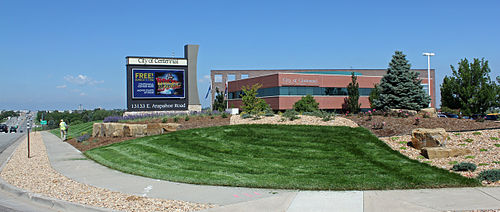
Centennial neighborhoods are search context, not keyword confetti
A neighborhood name earns space only when it helps a homeowner judge fit, route or property experience. These are recognized local areas; descriptions are practical context, not legal boundary definitions.
The Knolls
A residential neighborhood in the western part of Centennial. Mature landscaping and established suburban homes support specific maintenance content.
Homestead
A residential neighborhood with a recognizable community identity. Local pages should clarify true coverage across Centennial’s long shape.
Willow Creek
A residential neighborhood near the I-25 side of the city. Freeway proximity and mature housing influence route and service expectations.
Southglenn
The area around The Streets at SouthGlenn, redeveloped from the former mall site. Retail, apartments and surrounding homes create mixed intent.
Piney Creek
An eastern residential neighborhood. Its distance from the western city edge shows why one response-time claim cannot fit all of Centennial.
Walnut Hills
An established residential neighborhood near major corridors. Housing age and mature trees can guide service explanations.
Cherry Knolls
A residential neighborhood in the western city fabric. It gives contractors a useful local anchor when their coverage is real.
Foxridge
A residential neighborhood near the city’s northern and western connections. Municipal boundaries can feel irregular, so pages should name them carefully.
Highlands 460
A residential community associated with later suburban expansion. Roof, HVAC and exterior pages can address its housing era directly.
Arapahoe Highlands
A residential neighborhood tied to the Arapahoe Road corridor. Corridor-based navigation can be clearer than a vague county radius.
How a Centennial contractor can look less interchangeable
The local pack is usually crowded with directories, established operators, lead sellers and businesses whose profiles are stronger than their websites. The answer is not louder copy. It is a cleaner match between the search, the page and the real operation.
Organize coverage east-to-west because Centennial has no central downtown.
For Centennial, that means the page needs a clear title, one direct H1, useful service detail, consistent business information and a next step that works on a phone. The map result and the website must tell the same story.
Create hail pages that educate without exploiting storm anxiety.
The competitive advantage is specificity. A Centennial contractor should show the problems handled, the property types understood and the areas actually served. That gives a searcher evidence without invented superlatives.
Explain neighborhood and municipal boundaries plainly.
Photos, project notes and service explanations should come from the business. If real proof is not available, Centennial copy should stay factual rather than substitute made-up reviews, crews or outcomes.
Tie housing-era content to 1970s-through-2000s systems.
Google Business Profile work, citations and the website should use one dependable identity for Centennial. Inconsistency creates uncertainty for users and search systems alike.
Distinguish airport-corridor commercial intent from ordinary residential calls.
Measurement should separate discovery, calls, form inquiries and booked work. Centennial rankings are useful signals, but they are not the same as revenue.
Build the page before Centennial needs the truck
Centennial has semi-arid Front Range weather with sunny summers, snowy winters, hail and freeze-thaw cycles. Seasonal pages should be published before the work becomes urgent, linked to the relevant core service and reviewed when operations change. Weather context can explain timing; it should never be used to manufacture panic or promise availability the business does not have.
Prepare
Late winter: freeze-thaw roof wear, furnace reliability and plumbing protection stay relevant even through sunny breaks.
Respond
Spring storm season: hail-aware roofing, drainage and exterior inspection pages need sober guidance rather than storm-chaser language.
Recover
Summer: cooling, irrigation and electrical work rise with sun, heat and outdoor water demand.
Plan ahead
Autumn: furnace service, roof checks and pipe preparation should be visible before the first sharp Front Range cold snap.
What makes the Centennial contractor market different
The approximate population figure used on this page is 109,741 residents. It is included as planning context, not presented as a current independently verified estimate. For a contractor, the useful point is not the headline number by itself. Centennial combines suburban neighborhoods built mainly from the 1970s through the 2000s, with no historic downtown core. That range changes ticket size, diagnostic time, access, homeowner expectations and the language that belongs on a service page.
Movement through Centennial follows I-25, E-470, Arapahoe Road and the city’s east-west arterial network. Regional road connections and light-rail access near the i-25 corridor also shapes how districts are understood. A local SEO plan should not promise an identical arrival window across every corridor. It should define the actual dispatch area, name the places a crew routinely reaches and keep distant or difficult routes out of same-day copy unless operations can support them.
The local economy includes technology, aerospace, health services, telecommunications, offices, retail and regional commuting. That mix creates residential, rental, institutional and commercial searches, but it does not prove demand for any individual contractor. The practical SEO job is to separate those intents. A homeowner needs a service answer, a property manager needs scope and documentation, and a commercial buyer may need capacity, scheduling and compliance detail.
Local anchors include the Centennial Civic Center, The Streets at SouthGlenn and the nearby airport corridor. Higher education is represented by Cherry Creek and Littleton school districts; aviation access includes Centennial Airport adjacent in unincorporated Arapahoe County. These facts belong on a Centennial page only when they help orient the reader or explain the service map. Dropping landmark names into paragraphs without operational relevance adds noise and weakens trust.
A strong Centennial landing page therefore starts with the job, the property and the route. It answers what the contractor handles, where the team goes, what happens after the call and which situations need a different specialist. That is more convincing than a long list of nearby names followed by the same generic paragraph used in every city.
One Centennial market, seven different customer decisions
A plumbing emergency, a planned solar quote and a storm-damaged roof do not follow the same search journey. Each trade needs its own language, proof and call path.
Local SEO for plumbers in Centennial
Plumbing pages should organize leaks, drains, water heaters and urgent pipe problems around real service priority. In Centennial, the local angle starts here: Create hail pages that educate without exploiting storm anxiety. The niche page explains the trade-specific strategy; the city page supplies geography, season and property context.
Local SEO for HVAC companies in Centennial
Hvac pages should organize heating, cooling, indoor comfort and seasonal system failures around real service priority. In Centennial, the local angle starts here: Summer: cooling, irrigation and electrical work rise with sun, heat and outdoor water demand. The niche page explains the trade-specific strategy; the city page supplies geography, season and property context.
Local SEO for roofers in Centennial
Roofing pages should organize repairs, inspections, replacement decisions and weather exposure around real service priority. In Centennial, the local angle starts here: Tie housing-era content to 1970s-through-2000s systems. The niche page explains the trade-specific strategy; the city page supplies geography, season and property context.
Local SEO for tree services in Centennial
Tree Service pages should organize risk assessment, pruning, removals and storm preparation around real service priority. In Centennial, the local angle starts here: Late winter: freeze-thaw roof wear, furnace reliability and plumbing protection stay relevant even through sunny breaks. The niche page explains the trade-specific strategy; the city page supplies geography, season and property context.
Local SEO for dumpster rental companies in Centennial
Dumpster Rental pages should organize cleanouts, renovation debris and jobsite logistics around real service priority. In Centennial, the local angle starts here: Organize coverage east-to-west because Centennial has no central downtown. The niche page explains the trade-specific strategy; the city page supplies geography, season and property context.
Local SEO for water-damage restorers in Centennial
Water-Damage Restoration pages should organize urgent mitigation, moisture questions and property recovery around real service priority. In Centennial, the local angle starts here: Summer: cooling, irrigation and electrical work rise with sun, heat and outdoor water demand. The niche page explains the trade-specific strategy; the city page supplies geography, season and property context.
Local SEO for solar companies in Centennial
Solar pages should organize roof suitability, electrical readiness and informed project research around real service priority. In Centennial, the local angle starts here: Explain neighborhood and municipal boundaries plainly. The niche page explains the trade-specific strategy; the city page supplies geography, season and property context.
Turn Centennial visibility into a cleaner customer path
The sequence is simple enough to audit and specific enough to act on. It does not depend on invented testimonials, secret tactics or a promise that Google cannot honestly support.
Start with the call
A Centennial page should open with the service decision, not an agency autobiography. Name the work, the property situations it fits and the next step. Keep the phone path visible, make the request form short and state any emergency or scheduling limits plainly. Someone with a leak, failed system or damaged roof should not have to decode marketing language before learning whether the company can help.
Build the evidence
Collect genuine Centennial proof from completed work: project type, broad neighborhood context, problem, process and outcome that the business can substantiate. Use original field photos with permission. One well-explained job is more credible than a gallery of unlabeled stock images. If the company has no publishable case material yet, use accurate process explanations instead of fictional customers, reviews or before-and-after claims.
Match search intent
Group Centennial queries by the decision behind them. Emergency searches need availability, scope and a fast contact path. Planned replacement searches need options, constraints and comparison help. Maintenance searches need timing and prevention detail. Commercial buyers need capacity and documentation. Those visitors can share one domain, but they should not all land on the same vague page.
Strengthen the local graph
Connect the Centennial hub to the relevant trade pages, core services, pricing and audit path. Then make sure the Google Business Profile and legitimate directory listings describe the same business. Internal links should help a person move from city context to a specific service; they should not create a maze of repeated location pages built only for crawlers.
Remove conversion friction
Review the Centennial experience on a phone. Check text contrast, tap targets, form length, image loading, phone-number accuracy and whether the first screen explains the offer. Remove popups that cover the answer. A visitor who cannot tell what happens after contacting the company will often return to the search results, even if the page ranks.
Review with the operator
Every month, compare search visibility with the contractor’s own call and job records. Ask which Centennial inquiries were suitable, which services produced poor-fit calls and which areas strained dispatch. That operational feedback should shape the next page update. SEO becomes more useful when the site reflects the work the company actually wants and can deliver.
For Centennial, the working brief should also record the practical landscape: I-25, E-470, Arapahoe Road and the city’s east-west arterial network; suburban neighborhoods built mainly from the 1970s through the 2000s, with no historic downtown core; and semi-arid Front Range weather with sunny summers, snowy winters, hail and freeze-thaw cycles. Those details create review questions for the operator. Which routes are dependable at busy hours? Which property types produce the best-fit jobs? Which seasonal calls are profitable, and which overwhelm the schedule? Which services need a licensed specialist, an inspection or a different crew? The answers belong in the page plan before more copy is written. A useful audit turns local facts into decisions about scope, navigation, proof and contact flow. It does not turn every local fact into a paragraph. After the first changes go live, compare the page with real calls. If people repeatedly ask whether the company reaches an outer neighborhood, clarify the boundary. If they confuse repair with replacement, separate those paths. If commercial inquiries keep landing on a residential form, split the conversion route. That feedback loop gives Centennial content a reason to become more specific over time.
A Centennial local SEO scope built around real operations
SMBify serves US home-service contractors. The flat plan is $299 per month for one location, with no setup fee and no long-term contract. The order of work depends on what the audit finds; no page promises a ranking or a fixed lead count.
Google Business Profile
Choose accurate categories and services, keep hours dependable, publish genuine business photos and answer reviews in the company’s own voice. The profile should point to the most relevant Centennial page rather than a vague homepage.
Service-page architecture
Give high-value jobs their own useful pages, then connect them to Centennial neighborhood and seasonal context. Each page needs a clear purpose; dozens of thin location swaps make the site harder to trust.
Local citations
Correct the core business name, address or service-area presentation and phone where legitimate directories display it. Citation work supports consistency; it does not replace a useful site or a healthy profile.
On-page and technical work
Fix titles, headings, internal links, crawl paths, mobile readability and conversion friction. A technically perfect page that says nothing specific about Centennial is still weak.
Measurement and iteration
Track what can be verified: profile discovery, calls, forms, landing-page engagement and the jobs the contractor records. Use the evidence to improve pages instead of inventing lead forecasts.
See the full local SEO service scope and the separate Google Business Profile management approach before deciding.
Know what changed in Centennial, and what did not
Start with a manual search audit for Centennial: the website, the Google Business Profile, visible competitors, core service pages, citations and conversion path. Record what exists before changing it. That baseline makes later reporting more honest.
Next, choose one or two commercial priorities. A contractor who wants replacement work should not spend the entire month polishing an emergency page. A Centennial company with limited crews should not expand its location footprint faster than it can answer calls.
Measure impressions and rankings as diagnostic signals, not a victory speech. Calls and forms indicate inquiries. Only the contractor’s own records show whether an inquiry became an appointment, estimate or paid job. SMBify will not turn one metric into another without evidence.
Review the service area quarterly or whenever dispatch changes. Centennial road patterns, neighborhood access and crew capacity should decide what the site promises. Removing an unrealistic area can be smarter than adding ten more pages.
Use the official City of Centennial site for municipal context and Google’s own documentation for profile rules. The citations below are reference points, not endorsements of SMBify or any marketing claim.
Centennial contractor SEO FAQ
Straight answers about the market, the work and SMBify’s terms.
How much does local SEO cost for a Centennial contractor?
SMBify charges $299 per month for one US home-service location. There is no setup fee and no long-term contract. The audit determines the order of work, and the plan does not guarantee a ranking, lead count or revenue figure.
Do I need a separate page for every Centennial neighborhood?
No. Build a neighborhood page only when you can add useful service, property or routing information. A strong Centennial hub with clear coverage is better than ten thin pages that merely swap place names.
Can SMBify guarantee the Google map pack in Centennial?
No ethical provider can guarantee a map-pack position. Google controls the results, competitors change and proximity influences visibility. SMBify can improve relevance, consistency, page quality and profile completeness, then report what the available evidence shows.
What should a Centennial Google Business Profile include?
Use the real business name, accurate primary and secondary categories, dependable hours, a valid phone, truthful service areas, supported services, genuine company photos and complete business information. Follow Google’s guidelines rather than adding keywords to the name.
How does Centennial weather affect local SEO planning?
Centennial has semi-arid Front Range weather with sunny summers, snowy winters, hail and freeze-thaw cycles. Publish seasonal service explanations before likely demand, connect them to the relevant core service and keep availability claims current. Weather context should educate rather than create fear.
Which Centennial areas should my company target?
Start with neighborhoods your crews already serve profitably and reliably. Consider route time, property fit, current customers and operational capacity. The page should describe a real service footprint, not every nearby name that has search volume.
How long does local SEO take in Centennial?
There is no honest fixed timeline. The starting profile, website, competition, service mix, location and history all matter. Early technical or profile fixes can be visible quickly, while durable organic and map visibility often requires sustained work and measurement.
Does the $299 plan include setup fees or a long contract?
No. SMBify’s verified offer is $299 per month per location, with no setup fee and no long-term contract. Review the pricing page for the current scope, then use the free audit to see whether the plan fits the Centennial business.
Can a service-area business rank in Centennial without showing a home address?
A legitimate service-area business can hide its address and define service areas under Google’s rules. Visibility still depends on factors such as relevance, distance and prominence. Do not use a virtual office or an ineligible location to manufacture proximity.
What should I send for a free Centennial audit?
Send the website, primary trade, Google Business Profile link if available, highest-priority services and the areas crews truly cover. That is enough to identify visible gaps without asking for private customer records or promising an outcome.
Long suburban arc, hail sky, no downtown