Local SEO in Roseville, CA for home-service contractors
Local SEO in Roseville works best when it recognizes a Sacramento-metro city split between established east-side neighborhoods, an active historic rail identity, and fast-growing west-side subdivisions. This guide translates Roseville's valley heat, dry summers, winter rain, smoke concerns, housing eras, and real service corridors into a practical search plan for plumbers, HVAC companies, roofers, tree crews, dumpster operators, restoration teams, and solar installers.
- Population reference
- ~130,269
- Market lens
- Rail city meets new-growth suburb
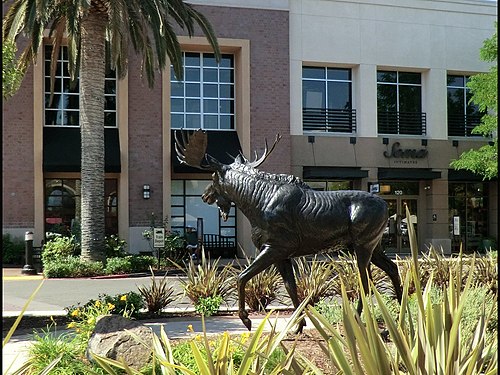
One Roseville label covers several very different home-service decisions.
Roseville sits northeast of Sacramento in Placer County, connected to the region by Interstate 80 and State Route 65. Those routes matter to contractors because they influence dispatch, supply runs, and the practical difference between an east Roseville appointment near Douglas Boulevard and a west Roseville appointment beyond the Highway 65 growth corridor. A local search program should describe the service territory as crews actually experience it, rather than drawing a perfect circle and treating every address as equally easy to reach.
The approximate population reference of 130,269 is supplied for planning context only. It is not a search-volume estimate, a market-share claim, or evidence of likely leads. The more useful local distinction is between mature neighborhoods with older systems, landscaped lots and renovation needs, and newer master-planned communities where owners may be comparing maintenance, efficiency upgrades, landscaping, solar, and post-warranty service.
Roseville's railroad history is not decorative trivia. The Union Pacific J.R. Davis Rail Yard and the city's development around rail activity help explain the street pattern and the identity of older central districts. Contractors can use that history carefully when they explain access, building age, utility layouts, or the difference between an older home and a recent subdivision. They should not imply that every central property is historic or that proximity to the rail yard defines every homeowner's concern.
Consumer intent in Roseville usually begins with a concrete problem: a cooling system struggling during a triple-digit spell, an aging water heater, a leak, a roof concern after winter rain, a tree-management question, a renovation cleanout, or interest in solar and energy efficiency. A city page should orient the visitor, then lead quickly into the exact service, eligibility, hours, proof, and contact route. Neighborhood names support clarity only when they help a customer understand coverage or property context.
West Roseville growth creates a different content need from the older east and central city. Newer owners may want maintenance schedules, filtration, smart controls, drainage, outdoor upgrades, and documentation that preserves warranties. Established areas can generate more replacement and retrofit questions. A useful campaign keeps both journeys visible without pretending one service page fits every housing era.
Local visibility also depends on operational truth. Business Profile categories, address or service-area settings, hours, phone details, landing pages, and review requests must match the real company. Roseville copy should never promise immediate response across all of Placer County unless staffing supports it. Accuracy makes the page more persuasive because the customer can see how the service works before calling.
Ten Roseville areas, each with a different content angle.
Johnson Ranch
Johnson Ranch is an established east Roseville area with mature landscaping and a suburban street pattern. Contractor content should focus on clear coverage, replacement planning, access, and evidence from comparable homes rather than generic claims about serving the whole metro.
Stoneridge
Stoneridge sits in the city's eastern side near the foothill-facing edge of Roseville. Home-service pages can discuss heat exposure, grade, drainage, roofing, landscaping, and efficiency while avoiding unsupported assumptions about any specific property.
Maidu
Maidu is closely associated with Maidu Regional Park and long-established residential streets. Mature trees, older systems, and renovation decisions make inspection-led explanations more helpful than a thin location page filled with place names.
Cirby Side
Cirby Side belongs to the more established fabric of central and south Roseville. Its page relevance comes from accurate dispatch language, housing-age awareness, and service details that help owners distinguish repair, replacement, and planned improvement.
Olympus Pointe
Olympus Pointe is recognized around the I-80 and Douglas Boulevard side of the city. Searchers here may compare local providers quickly, so strong pages need visible qualifications, scope, scheduling expectations, and honest limits instead of vague superlatives.
Fiddyment Ranch
Fiddyment Ranch represents west Roseville's newer master-planned growth. Content can address post-warranty maintenance, high-efficiency systems, solar readiness, landscaping coordination, and service access without describing every house as identical.
Blue Oaks
Blue Oaks is tied to the expanding western side and the Highway 65 corridor. Contractors should separate true Roseville coverage from neighboring communities, show realistic travel windows, and build pages for the jobs crews can actually complete.
Sun City Roseville
Sun City Roseville is a distinctive planned community. Marketing should be respectful, practical, and focused on accessibility, maintenance, communication, and documented options; age-based assumptions about residents do not belong in the copy.
Highland Reserve
Highland Reserve sits near major retail and transport corridors. Local pages can connect the neighborhood to practical routing while keeping residential service information separate from commercial or shopping-district work.
Pleasant Grove
Pleasant Grove is commonly used for the northwestern Roseville area and corridor. Use the name to clarify a real service boundary, not as a doorway-page variation. Granite Bay is a separate community and should not be relabeled as a Roseville neighborhood.
Local entities should explain how Roseville works, not merely decorate the page.
Movement
Interstate 80, State Route 65, Douglas Boulevard, Sunrise Avenue, Atlantic Street, Taylor Road, Eureka Road, and Riverside Avenue shape everyday travel. Sacramento International Airport is the nearest major airport; Roseville's Amtrak station connects the rail story to current mobility.
Community anchors
Westfield Galleria at Roseville, the Fountains at Roseville, Maidu Regional Park, Denio's Farmers Market, @the Grounds, All American Speedway, and nearby Folsom Lake are recognizable reference points. They should never be used to suggest an office or project history that does not exist.
Institutions and jurisdiction
Roseville is a Placer County city. William Jessup University is in nearby Rocklin rather than inside Roseville. Permitting, utility, and code information should be confirmed through the correct current authority for the exact property and scope.
A useful location page names a road only when the road changes a service decision. Highway 65 can help explain west-side growth and north-south travel; Interstate 80 helps explain regional reach; Douglas Boulevard and Sunrise Avenue help residents recognize an east-side service corridor. These references are not ranking tricks. They are orientation tools that make coverage easier to understand.
The same standard applies to landmarks. A contractor can mention Maidu Regional Park when describing the area around established residential streets, or the J.R. Davis Rail Yard when explaining Roseville's rail-rooted identity. It should not stuff a paragraph with every attraction, imply sponsorship, or claim a job near a landmark without evidence. Local trust grows when the page knows what matters and leaves out what does not.
Roseville's calendar is dominated by valley heat, but winter planning still matters.
Rain and heating checks
Winter rain can expose roofing, drainage, gutter, and moisture problems. Heating demand is milder than in cold-climate cities, yet furnaces, heat pumps, and water systems still need clear repair and maintenance pathways.
Cooling preparation
Spring is the planning window for AC tune-ups, airflow, filtration, duct concerns, shade management, and solar evaluation before the strongest heat. Content should explain what a visit includes and where replacement advice begins.
Peak heat and smoke awareness
Hot-summer Mediterranean conditions can push temperatures above 100°F. Cooling, electrical load, indoor-air quality, and smoke-season questions become more urgent. Pages must keep availability truthful during demand spikes.
Roof, tree and system readiness
Fall is a strong time for roof inspections, gutter work, tree review, furnace checks, and drainage preparation before concentrated winter rain. Seasonal language should encourage preparation rather than fear.
Bars illustrate editorial preparation intensity only. They are not weather probabilities, lead forecasts, search-volume readings, or revenue projections.
Roseville contractors compete on proof, coverage discipline, and service depth.
Search results can mix Roseville specialists, Sacramento-area brands, nearby Rocklin and Citrus Heights operators, franchises, lead directories, and companies covering much of Placer County. A single search from one phone cannot define that field. A responsible audit samples multiple locations and service intents, separates map visibility from organic rankings, and records the conditions under which each result appeared.
Competition also changes by job. Emergency AC repair, heat-pump replacement, water-heater installation, roof inspection, tree removal, dumpster rental, water restoration, and solar evaluation each reveal different providers and customer expectations. One broad city page can orient the market, but it cannot replace substantial service pages.
Reviews matter because customers use them to judge communication and consistency, not because a star count alone proves quality. Roseville contractors should request reviews after real work through a repeatable process and never offer misleading incentives or publish fabricated experiences. Responses should protect customer privacy and address the actual service.
Original job photography is especially valuable when the caption explains what is visible, what work was performed, and where the company truly served. Stock images can support design, but they do not prove field experience. The same honesty applies to licenses, warranties, years in business, response times, financing, and guarantees: publish only what can be substantiated.
Suburban markets reward clarity. A visitor should be able to determine whether the company handles the requested job, serves the address, offers the needed appointment type, and can explain the next step. Stronger information architecture often beats more aggressive adjectives because it reduces uncertainty faster.
Local links and citations should come from genuine relationships, suppliers, associations, sponsorships, chambers, media coverage, and community involvement. Buying unrelated placements or creating false local identities may produce short-lived signals while increasing long-term risk. Roseville SEO should strengthen the real business, not manufacture a parallel one.
Six working systems for a Roseville campaign.
Business Profile accuracy
Align name, eligible address or service area, categories, hours, phone, services, photos, and landing page with the real Roseville operation. Seasonal hours and emergency availability must remain current.
East–west coverage architecture
Explain how central, east, and west Roseville fit the dispatch map. Use neighborhood references only where the crew serves and where the page can answer a distinct local question.
Housing-era service paths
Separate maintenance and retrofit information for established homes from post-warranty care and efficiency questions in newer subdivisions. Keep diagnosis property-specific.
Heat-season publishing
Prepare cooling, airflow, electrical, solar, and indoor-air pages before the hottest period. During smoke or heat events, update availability without exaggerating urgency.
Proof and conversion
Pair real work photos, qualifications, process, scope, and customer expectations with a simple contact route. Track qualified calls and forms without presenting private customer data.
Measurement with context
Review map visibility from representative points, organic service rankings, landing-page behavior, and lead quality. Annotate weather, staffing, site changes, and promotions before drawing conclusions.
Roseville demand becomes useful only when each trade gets its own buying journey.
Leaks, heaters, supply and drains
Build separate paths for urgent leaks, drain issues, water heaters, fixture work, repiping, and efficiency. Explain shutoff safety without diagnosing remotely.
Plumber SEO →Cooling-first clarity
Prioritize AC repair, replacement, tune-ups, heat pumps, airflow, filtration, and smoke-season indoor-air questions with truthful hours.
HVAC SEO →Sun and winter rain
Explain inspection, repair, replacement, materials, ventilation, drainage, and storm documentation without promising insurance outcomes.
Roofing SEO →Mature canopy and heat stress
Separate pruning, assessment, removal, stump work, and storm response. Safety and qualified evaluation should lead the page.
Tree SEO →Remodel and cleanout logistics
Publish sizes, accepted materials, weight limits, placement, driveway protection, rental windows, and current permit guidance.
Dumpster SEO →Rain and plumbing losses
Clarify extraction, drying, monitoring, documentation, exclusions, and safe first steps. Do not guarantee coverage or mold outcomes.
Restoration SEO →Sun with property-specific math
Address roof condition, shade, usage, equipment, permitting, utility rules, financing terms, and realistic production assumptions.
Solar SEO →Answers that match the city and the decision.
These visible questions are mirrored exactly in the page's FAQPage structured data at render time.
How should a contractor define a Roseville service area?
Begin with addresses the crew can reliably reach, then consider Interstate 80, State Route 65, east–west travel, licensing, job economics, and staffing. Publish the true boundary and confirm the address during intake instead of promising all of Placer County automatically.
Does west Roseville need different content from east Roseville?
Often yes. Newer west-side subdivisions can produce maintenance, efficiency, solar, landscaping, and post-warranty questions, while established east and central areas may need more retrofit and replacement information. Separate content only when the company's services and evidence support the distinction.
What should Roseville HVAC pages emphasize?
They should make AC repair, replacement, tune-ups, heat pumps, airflow, filtration, and indoor-air services easy to compare before the strongest heat. Hours and response language must stay accurate during demand spikes.
Can a Roseville company create a page for every neighborhood?
Not responsibly by default. Create a neighborhood page only when the business serves the area and can provide distinct operational detail, useful answers, and original proof. A strong city hub is better than thin doorway pages.
How does wildfire smoke affect local SEO content?
Smoke episodes can increase interest in filtration and indoor-air guidance. Content should explain the equipment and services the company truly offers, distinguish comfort information from medical advice, and avoid implying that one product eliminates all exposure.
Which local landmarks belong on a Roseville page?
Use recognizable anchors such as Maidu Regional Park, the J.R. Davis Rail Yard, the Galleria, or major roads only when they help explain identity, coverage, or access. Never imply an office, client, project, or endorsement without evidence.
How should Roseville SEO performance be measured?
Review map visibility from representative points, organic rankings by service intent, Business Profile actions, landing-page engagement, qualified calls and forms, and lead outcomes. Annotate weather, staffing, promotions, and site changes before comparing periods.
What does SMBify charge for one Roseville location?
SMBify's focused local SEO plan is $299 per month for one location, with no setup fee and no long-term contract. Scope should be reviewed against the contractor's actual market, access, website condition, and priorities before work begins.
Turn the city strategy into weekly operating decisions.
A useful first month begins with accuracy rather than publishing volume. Verify the eligible Business Profile, primary and secondary categories, phone routing, regular and holiday hours, service list, city boundary, appointment process, and the page that receives local visitors. Then map every important service to a substantial page and identify gaps. Roseville's heat makes AC and electrical information urgent, but plumbing, roofing, trees, dumpsters, restoration, and solar still need complete paths. Fixing the basic route from query to answer to contact prevents new content from sending more people into an unclear experience.
The second workstream is evidence. Inventory real Roseville and nearby-service-area photos with permission, invoices or job notes that can be safely summarized, equipment and material details, licenses, training, warranties, and common customer questions. Remove anything that could expose an address, face, plate, access code, document, or private circumstance. Organize evidence by service and property challenge rather than creating a folder of unsorted images. When a page says the crew handles a difficult access condition or a particular system, the supporting proof should be easy to verify internally.
Next, test the city's east–west journey. A call from Fiddyment Ranch may involve a newer system and Highway 65 routing; an inquiry near Maidu may involve mature landscaping or an older home; a downtown business may have a commercial need and constrained access. The intake form and phone script should collect address, service, urgency, property type, access, and preferred communication without overwhelming the customer. Better inputs improve both conversion and dispatch.
Editorial planning should follow the calendar before the weather arrives. Cooling and filtration pages need review in spring, not after the first major heat wave. Roof, gutter, drainage, tree, and heating pages deserve attention before winter rain. Smoke-related copy should explain filtration or service limits without promising health protection. Each update needs an owner, a review date, and a reason; abandoned weather banners can damage trust.
Measure a small number of decisions consistently. Record whether the page earned relevant impressions, whether map visibility improved in areas the business actually serves, whether users reached the correct service page, whether calls were qualified, and whether the team could book the work. A ranking increase is not a win if it produces distant, unsupported, or unprofitable jobs. Conversely, a modest traffic change can matter if it improves the share of leads in the intended Roseville territory.
Finally, use the findings to improve the service itself. If callers repeatedly misunderstand the diagnostic fee, coverage, arrival window, equipment handled, or estimate process, revise the page and intake language. If west-side calls are routinely declined, narrow the service map rather than hiding the problem. If one trade has strong proof but weak visibility, deepen that silo before opening ten new locations. Roseville SEO becomes durable when the website, Business Profile, reviews, call handling, scheduling, and field reality tell the same story.
Public references used for local context.
Neighborhood, climate, and city-orientation research was reviewed on October 5, 2026. Conditions, permits, utility rules, and agency guidance can change; verify the current official source for a specific project.
Roseville map and city orientation · Roseville air-quality context · Roseville neighborhood overview · Roseville neighborhood map reference
Make the real service map easier to find and easier to trust.
Share the Roseville service area, priority trade, and current website. SMBify will identify the clearest local-search gaps and explain whether the flat $299-per-location plan fits.