Local SEO in Mesa for Home Service Contractors
Local SEO in Mesa should match how homeowners actually search—for urgent repairs, planned projects and trusted local help across the city.
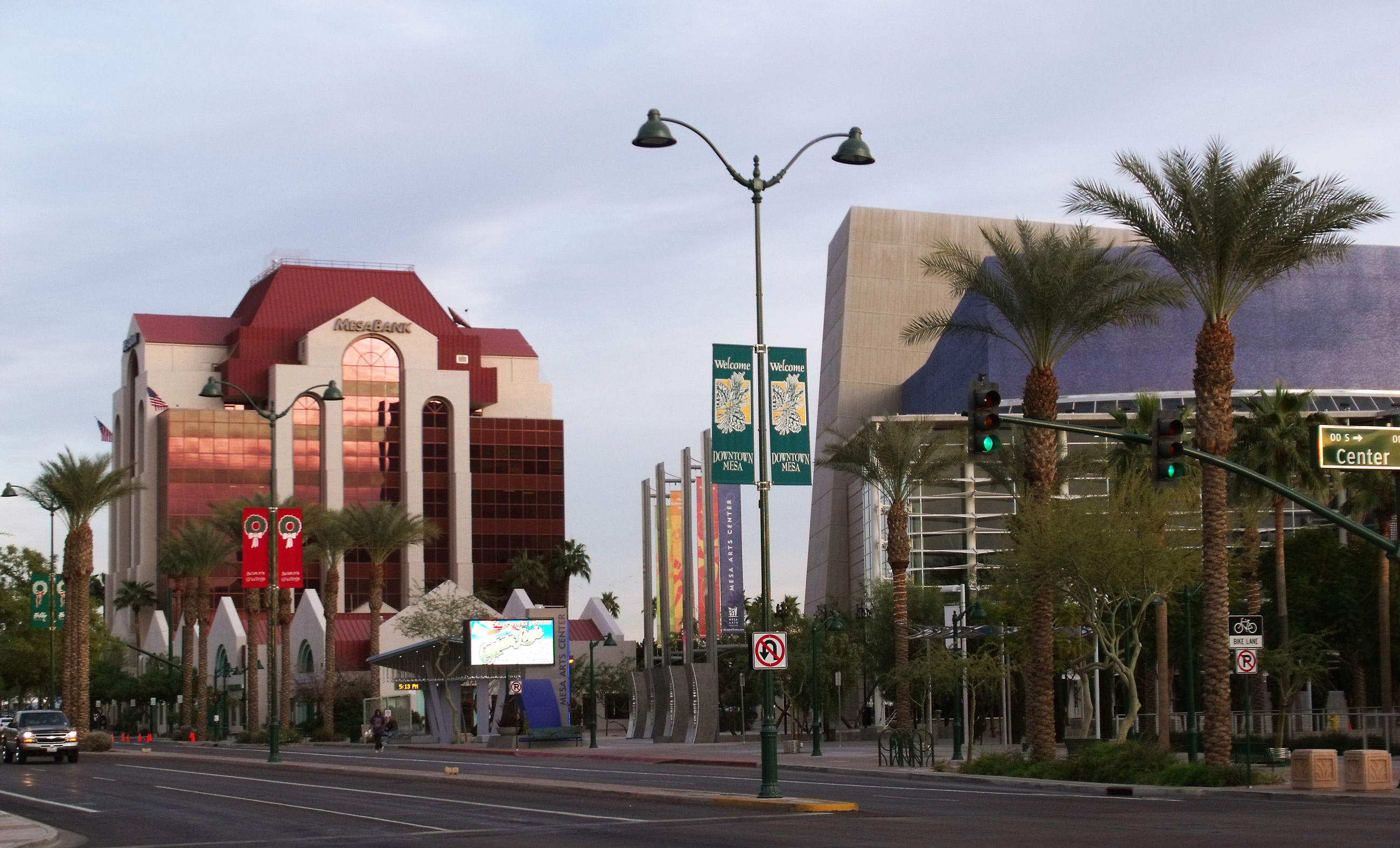
A market this specific cannot run on generic city copy.
Local SEO in Mesa needs an East Valley map, not a generic Phoenix label. Mesa is a large independent city stretching from older West Mesa neighborhoods to newer Southeast Mesa communities. Tempe, Chandler, Gilbert, Queen Creek and Apache Junction are separate municipalities, while the Salt River Pima–Maricopa Indian Community is sovereign tribal land north of the city. Those distinctions matter for service claims and landing-page architecture.
Extreme heat makes cooling reliability a central decision for much of the year. Monsoon winds, dust and short intense rainfall add roof, tree, electrical and water-response questions, while hard water and slab construction influence plumbing research. Boeing at Falcon Field, Gateway Airport, health care and education provide economic anchors, but customer trust still depends on clear service detail, legitimate reviews and honest capacity.
Local SEO connects those market realities to a truthful digital footprint. The Google Business Profile, website, citations, reviews and tracking should describe one consistent company. That means mapping valuable services to useful pages, measuring visibility across the actual dispatch area and removing any city claim the operation cannot support.
The same fundamentals, tuned to local demand.
SMBify does not swap city names into a national template. We start with the contractor’s real services, seasonality, service radius and competitive result set, then prioritize the work that can make the clearest difference.
Extreme-heat readiness
Prioritize AC repair, replacement, airflow, maintenance and electrical-support pages before May while keeping emergency hours accurate.
Master-planned community fit
Address association access, newer-system maintenance and installation questions without presenting every community as identical.
Hard-water plumbing depth
Build useful pages for water heaters, filtration, softening and slab-leak diagnostics only when those services are genuinely offered.
Monsoon conversion paths
Prepare roof, tree, electrical and water-response guidance before storm season with safe steps and no property-specific predictions.
Explore strategies for HVAC companies, plumbers, roofers and restoration contractors.
Coverage built around the places your crews really go.
These areas help describe the shape of Mesa; they are not claims that SMBify has an office there or that one contractor should target all of them. The right set depends on dispatch capacity, competition and customer value.
Downtown Mesa
Downtown centers on Main Street, the Mesa Arts Center and light rail, with older buildings, apartments, civic uses and small businesses. Property type and access should be qualified before dispatch.
West Mesa
West Mesa includes established subdivisions, apartments and commercial corridors near Tempe and Chandler. Older systems and cross-city travel make it distinct from far-east growth areas.
East Mesa
East Mesa stretches toward the Superstition Mountains with subdivisions, retirement communities, commercial corridors and desert-edge development. A wide label still needs specific dispatch boundaries.
Dobson Ranch
Dobson Ranch is a large planned community in southwest Mesa with lakes, associations and mature housing. HOA processes, water features and established systems can affect service questions.
Red Mountain Ranch
Red Mountain Ranch is a planned northeast Mesa community near desert recreation areas. Detached homes, associations and distance from Downtown create a distinct route and customer journey.
Lehi
Lehi is a historic area in north Mesa with larger lots, agricultural roots and newer development nearby. Rural-style access and property systems can differ from master-planned neighborhoods.
Falcon Field area
The Falcon Field area includes aviation, defense, industrial and residential uses in northeast Mesa. Contractors should separate household capability from industrial or specialized facility work.
Superstition Springs
Superstition Springs in east Mesa combines shopping, apartments and planned residential communities near US 60. Newer-system maintenance and broad arterial access shape the market.
Southeast Mesa
Southeast Mesa includes major growth around Gateway Airport and ASU Polytechnic. New construction, installations and warranty questions can differ from central repair demand.
Eastmark
Eastmark is a large master-planned community in southeast Mesa with newer homes and association structures. Dedicated content should address genuine services rather than repeat the city page.
Recognizable places can orient a reader, but landmarks are not a ranking tactic by themselves. Useful local pages connect geography to genuine coverage, response and service knowledge.
Start narrow, prove usefulness, then expand.
First, audit the Google Business Profile, the main service pages and the citation footprint. Identify whether the largest constraint is entity confusion, weak commercial pages, thin local relevance, poor reviews, technical indexing or simply unrealistic expectations about proximity.
Next, improve the highest-value service and location path. A new area page must add distinct customer information: where crews go, what work is available, how season or property context changes the decision, and what a homeowner should do next. If those answers are unavailable, strengthen the existing city or service page instead.
Finally, track from multiple points across the legitimate service area. A single search at the office cannot represent Mesa. Reporting should connect grid movement and organic visibility to completed work, calls and qualified leads where measurement is available.
- One accurate business identity
- Service pages tied to real revenue
- Useful local detail—not doorway copy
- Real review and photo workflows
- Month-to-month reporting
Housing, growth and the operating economy behind local demand.
Local SEO works better when it reflects why properties need service, where development is changing demand and how technicians move through the market. The facts below are market context, not claims about SMBify clients or guaranteed lead volume.
Mesa Public Schools and the City of Mesa are major public employers, while Banner Health is a substantial health-care presence.
Boeing’s Apache helicopter operations near Falcon Field connect Mesa to aerospace and defense manufacturing.
Phoenix-Mesa Gateway Airport and Falcon Field support aviation, logistics, training and business activity.
Higher education includes ASU Polytechnic, Mesa Community College, Chandler-Gilbert Community College and specialized health institutions.
Spring training, health care, business services and continuing residential growth broaden the economy beyond its role in the Phoenix metro.
The Census reports 64.4 percent owner occupancy for 2020–2024, with a median owner value of $408,000 and median gross rent of $1,620.
Mesa recorded 198,498 households and 2.55 persons per household in the cited profile.
Housing includes older West Mesa subdivisions, retirement communities, apartments, large planned developments and extensive newer construction in the southeast.
Slab foundations and hard water can influence plumbing questions, but a page must not diagnose mineral, leak or foundation conditions remotely.
Rapid growth and wide east-west distances make service boundaries, technician locations and appointment windows essential conversion information.
Mesa contractors compete at the intersection of property age, household urgency and crew logistics. Older systems may create recurring maintenance and replacement searches; new construction may shift intent toward installation, warranty and finishing work. Neither pattern proves demand for a specific company. It tells us which questions a useful service page should answer and which claims require evidence from the contractor.
Growth corridors deserve the same discipline. A newly developing district can become a worthwhile content cluster when the business already serves it, understands the access pattern and can describe the services homeowners or property managers need there. Publishing ahead of operational capacity creates poor leads and weak trust. SMBify therefore treats city research as a filter: the website grows where service reality and search opportunity overlap.
The roads, institutions and landmarks that shape Mesa.
Geo-entities belong in copy only where they help a customer understand coverage or context. This is an orientation layer—not a bag of keywords.
US 60, the Superstition Freeway, is the principal east-west corridor through central and east Mesa.
Loop 101 marks much of western Mesa’s connection with Tempe and the wider Valley.
Loop 202 serves northern and southeastern growth corridors.
Phoenix-Mesa Gateway Airport is in southeast Mesa near the former Williams Air Force Base site.
Falcon Field is a general-aviation airport in northeast Mesa with Boeing’s Apache helicopter operation nearby.
ASU Polytechnic campus and Chandler-Gilbert Community College anchor the Gateway area.
Mesa Community College serves a major west-central campus.
Valley Metro Rail reaches Downtown Mesa along Main Street.
Sloan Park and Hohokam Stadium host spring training inside Mesa.
The Superstition Mountains lie east of Mesa and orient the horizon; Apache Junction at their base is a separate city.
A service-area page can use these entities to explain boundaries naturally: a freeway may divide dispatch zones, an airport district may create a commercial-service cluster, and a river, bay or major park may affect travel. Universities and stadiums can orient nearby neighborhoods, but they should never imply a customer relationship or project that did not occur.
For citation and Google Business Profile work, the goal remains one consistent business entity. Location language on the website should agree with the actual address or service-area setup. A list of famous places cannot compensate for a fake office, conflicting phone number or an area the crew does not serve.
A four-season content and conversion plan for Mesa.
This calendar is a planning inference from local climate and housing context. It is not a forecast of jobs or revenue.
Winter
Mild weather supports planned exterior, solar, roof and installation work while occasional cool nights keep heating pages available.
Spring
AC maintenance, replacement comparisons and electrical-readiness content should be complete before extreme heat.
Summer
Cooling emergencies dominate from May into October, while monsoon wind, dust and heavy bursts of rain can trigger roof and restoration searches.
Fall
Late heat can persist, then shoulder-season weather supports HVAC replacement, roof, solar, plumbing and exterior projects.
Seasonal SEO should lead demand rather than chase it. Service pages, internal links, profile details and call paths need time to be crawled and tested before the weather changes. During peak demand, the task shifts toward accurate hours, capacity-aware messaging, mobile conversion and review requests from completed work.
Evergreen pages stay live year-round. A winter pipe page or storm-roof page can build history between events, as long as it remains factual and easy to find. Seasonal articles support those commercial pages; they should not replace them. After a peak, reporting separates temporary interest from durable visibility so the next cycle starts with better evidence.
Map-pack reality changes across Mesa.
Observed results leaned toward local independents such as Rad Plumbing, Now Plumbing, Option One Plumbing and Rooter, Falco and Thornton rather than one dominant national franchise.
Water softening and filtration appeared repeatedly, reflecting a useful service angle in a hard-water market when the contractor genuinely offers it.
HOA and multifamily specialization appeared in competitor messaging and can help prequalify planned-community or property-management work.
Many companies list Gilbert, Tempe and Apache Junction alongside Mesa; these are separate cities and need accurate page architecture.
Competition observations are from an index snapshot on 2026-10-05 and should be refreshed before budget or ranking decisions.
Google Maps visibility is influenced by relevance, distance and prominence. That means a contractor may appear strongly near the verified location and fade across another district even when the website serves the whole city. A grid view is more honest than one hand-picked screenshot.
Organic competition works differently. A strong city hub can establish market relevance, but it must route visitors to deep service pages and selective neighborhood pages. SMBify does not publish hundreds of near-duplicates. We compare the result set, identify the pages that answer the buying question best and improve the smallest set of assets capable of competing.
A connected local-search system—not disconnected tasks.
The $299-per-location plan prioritizes the work the audit shows is needed. The workstreams support one another and remain tied to the contractor’s real services.
Accurate map presence
We review eligible business information, categories, services, hours, photos, review workflow and the linked landing page. For Mesa, service areas should describe where crews actually travel, not every district that appears attractive. We do not add marketing keywords to a legal name or create fake offices.
Pages matched to customer decisions
We strengthen city, trade and service pages around the question a homeowner is trying to solve. Titles, headings, internal links, copy and calls to action work together. Local entities add clarity where relevant; they are never pasted in simply to increase density.
One defensible business identity
We compare the company name, phone, website, category and address or service-area status across important directories. Corrections are prioritized by visibility and relevance. A clean Mesa footprint helps customers reach the right company and reduces contradictions that weaken entity understanding.
Real customer evidence
We help create a consistent request and response process after completed work. Reviews must come from real customers and should never be gated, purchased or fabricated. We do not invent Mesa testimonials to make a page look established.
Crawlable, fast and connected
We address priority metadata, indexation, internal linking, mobile usability and schema issues within scope. Technical work should help search engines find the same hierarchy people use: city hub to trade page, trade page to service detail, and every useful path to a clear contact action.
Evidence without inflated attribution
We monitor local visibility, organic landing pages and conversion actions where tracking permits. Reports distinguish completed work from results and explain limits. A call is not automatically a booked job, and a ranking screenshot is not the same as revenue.
One city hub, seven specialist pathways.
This is the parent layer of the Mesa silo. It connects the market to established trade pages now; future city-and-trade children should sit beneath this logic only when each page can add genuine local service detail.
local SEO for plumbers in Mesa
Plumbing intent ranges from routine fixture work to urgent leaks, drains, sewer backups, water heaters and weather-related pipe failures. The city hub should link to a strong plumbing page, then to service pages that match what the company actually performs. Neighborhood references matter when housing type, basement conditions or dispatch access change the job.
Explore the local SEO for plumbers in Mesa strategy →local SEO for HVAC companies in Mesa
HVAC visibility should follow the local climate and housing systems, not a national checklist. Repair, replacement, maintenance, indoor-air and emergency paths deserve separate treatment when offered. Seasonal pages should be improved before peak demand, while the Business Profile and reviews reinforce real equipment and service experience.
Explore the local SEO for HVAC companies in Mesa strategy →local SEO for roofers in Mesa
Roofing pages should explain the roof types, weather exposures, inspection process and repair-versus-replacement decisions relevant to this market. Storm content must stay factual, avoid insurance guarantees and lead with safe next steps. Real project photos and neighborhood-specific service evidence are stronger than generic city repetition.
Explore the local SEO for roofers in Mesa strategy →local SEO for tree service companies in Mesa
Tree-service demand is shaped by canopy, wind, storms, access and local property patterns. Emergency removal, trimming, stump grinding and assessment pages should be distinct when the company offers them. Map visibility depends on a legitimate location, while organic pages can describe genuine coverage without inventing branches.
Explore the local SEO for tree service companies in Mesa strategy →local SEO for dumpster rental companies in Mesa
Dumpster searches are operational: container size, permitted placement, delivery area, accepted materials, weight limits and turnaround. A useful Mesa page should reduce uncertainty for remodelers, roofers and property owners and connect neighborhood access or street constraints to clear booking information.
Explore the local SEO for dumpster rental companies in Mesa strategy →local SEO for solar companies in Mesa
Solar customers research longer than emergency-service buyers. Strong pages explain the company’s real design, installation, roof, electrical and maintenance scope without making unsupported savings promises. Local proof, permitting clarity and an honest consultation path matter more than a thin rebate headline.
Explore the local SEO for solar companies in Mesa strategy →local SEO for water damage restoration companies in Mesa
Restoration pages need a calm emergency path for extraction, drying, moisture inspection and cleanup services the company is qualified to provide. Local weather and building context can guide topics, but marketing copy should not diagnose a property, promise insurance coverage or use disaster fear as a shortcut.
Explore the local SEO for water damage restoration companies in Mesa strategy →The internal-linking rule is simple: anchors describe the destination, and every destination helps the visitor take a more specific step. The Mesa hub explains the market. A trade page explains the industry’s search journey. A service page answers the job. A selective neighborhood child should clarify coverage and local conditions. Breadcrumbs and contextual links keep that hierarchy visible.
This structure prevents a common programmatic SEO failure: hundreds of pages competing with one another while saying almost the same thing. Expansion comes after evidence. If a future /local-seo-in-mesa/[trade]/ child cannot add a distinct result set, service mix, neighborhood context and useful next step, the stronger move is to improve the parent and trade pages instead.
Local questions, straight answers.
Every recommendation still depends on the contractor’s real address, services and travel area.
Is Mesa the same market as Phoenix?
Mesa is part of the Phoenix metropolitan area but is a separate city with its own neighborhoods, airports, institutions and search results. It deserves its own page.
Are Gilbert and Apache Junction Mesa neighborhoods?
No. Both are separate municipalities. They can have dedicated pages only when the contractor truly serves them and the content adds distinct value.
Why is HVAC the lead trade in Mesa?
Mesa’s extreme heat creates a long cooling season. Strong pages explain the equipment and services offered, scheduling, maintenance and replacement decisions without promising impossible response times.
How should monsoon content be written?
Publish calm guidance for wind, dust, leaks, outages and runoff before the season. Do not claim that every home floods or that a storm caused damage without an inspection.
How should a Mesa contractor choose neighborhoods to target?
Start with the neighborhoods the crew serves reliably, then compare service demand, job value, travel time and existing visibility. A page earns its place only when it explains a distinct local decision rather than repeating the city page.
Does adding local landmarks improve rankings in Mesa?
Names alone do not create relevance. Roads, airports, universities, stadiums and landmarks are useful when they clarify a real service boundary, access issue or customer context. Decorative name lists are not a substitute for useful service information.
What should a Mesa Google Business Profile include?
Use the real business name, eligible address or service-area configuration, accurate categories, current hours, legitimate services, real job photos and a consistent phone and website. Never create a fake office for proximity.
How do reviews support local SEO in Mesa?
Recent reviews from real customers can demonstrate service quality and naturally mention work performed and area served. Ask every eligible customer through a consistent process; never buy, gate or write reviews for them.
Should every trade use the same Mesa page structure?
No. Plumbing, HVAC, roofing, tree care, dumpster rental, solar and water restoration have different urgency, seasonality, regulations and buying journeys. The city hub should route each visitor to the right trade and service path.
What should SMBify measure in a Mesa campaign?
Measure qualified calls and forms where tracking is available, organic landing-page engagement, Google Business Profile actions, review growth and local visibility across a grid that reflects the real service area. One office-based search is not enough.
Facts used on this page.
The population note above states the date and geography used for this page. Local market context is linked to the cited sources; estimates, conditions and agency guidance can change.
Mesa seasonal planning rhythm.
Four qualitative planning windows drawn from the page’s local calendar. Bars show workflow coverage—not measured leads, traffic or revenue.
Ready to compete in Mesa?
Send your website and real service area. We’ll identify the clearest local-search priorities—without invented proof or a ranking guarantee.